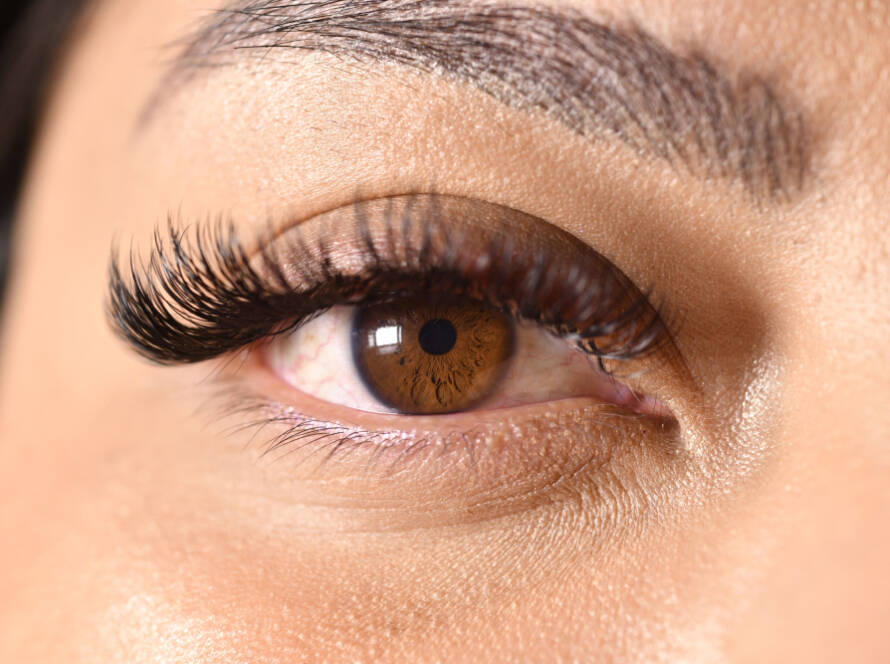


Healed lip blushing looks like your own lips on their best day — a soft, even wash of color that reads as “she has great lips,” not “she’s wearing lipstick.” The photo taken five minutes after your appointment is not your before and after. That version is swollen, saturated, and roughly 30–50% bolder than what you actually keep. Your true result shows up somewhere between week four and week six.
So when you’re scrolling lip blush before and after photos online, the only ones worth judging are the healed ones — shot at least four weeks out, in daylight, with no filter and no gloss. Everything else is a fresh tattoo with good lighting. Clients who drive into our Huntington Village studio from Smithtown, Northport, and Commack almost always say the same thing at their perfecting session: the healed color came out softer and more like them than the before-and-afters had led them to expect. That’s the goal.
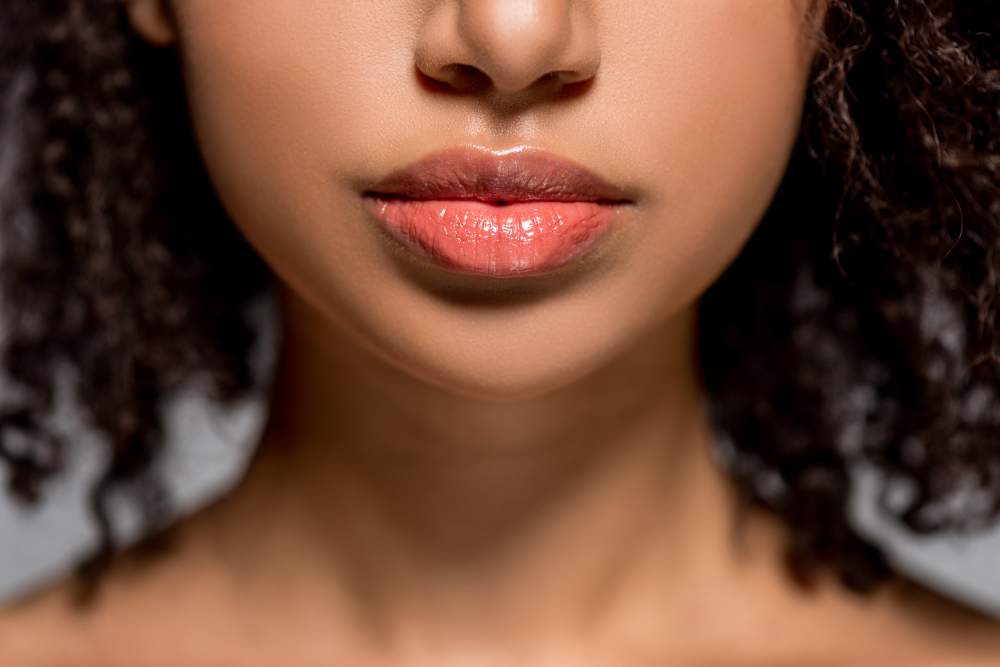
What actually changes between the “before” and the “after”
Lip blushing isn’t lipstick and it isn’t lip filler. It’s a semi-permanent cosmetic tattoo that deposits soft pigment into the top layers of the lip to restore or enhance color. It doesn’t add volume the way filler does, but it absolutely changes how full your lips read in photos, because it redefines a blurred border and brings color back to the pale edges where most of us lose it with age.
In a good before and after you’re looking for three things: color where there was none, a lip line that looks defined but not drawn on, and better symmetry between the top and bottom lip. What you should not see is a hard outline, a color that fights the client’s skin tone, or two lips that look like they were traced with a pencil. Our full breakdown of the service, healing, and technique lives on the lip blushing Long Island page if you want the deeper version.
The lip blushing healing timeline (and what your photos look like at each stage)
Almost every panicked text we get lands somewhere in this timeline. Knowing it in advance takes the drama out of the process entirely.
Days 1–3: bold, tender, slightly swollen
This is the stage people screenshot and panic about. Your lips are noticeably darker and more intense than the final result, with some swelling for the first 24–48 hours. It’s normal, it’s temporary, and it is not the color you’re keeping. Plan a quiet couple of days — no big events, no dental work, no spicy food.
Days 3–6: dry, tight, and peeling
The lips get flaky and tight, like a bad sunburn. Do not pick at it. Pulling flakes off early lifts pigment with them, and that’s how you end up with patchy results that get blamed on the artist. Keep the balm we send you home with on, and let the skin release on its own schedule.
Days 7–14: the ghosting stage
Once the peeling finishes, most people hit a stretch where the color looks like it disappeared. It didn’t. A fresh layer of skin is sitting over the pigment and it takes time to clear. This is the point where clients from Northport and Dix Hills email us convinced something went wrong. Nothing has. Wait it out.
Weeks 3–6: the color blooms back
Color re-emerges gradually and settles into the soft, natural-looking tint that is your actual result. This is the window where a real healed “after” photo can finally be taken — and where we assess what, if anything, needs adjusting.
The perfecting session: the real “after”
Nearly every lip blushing result needs a second visit, typically six to eight weeks after the first. Lips are one of the harder areas of the face to hold pigment — they’re always moving, always moist, and they turn over skin fast. The perfecting session is where we deepen color, even out any spots that healed light, and refine the shape. Anyone promising you a one-and-done result is either overworking the lip or overselling it. The before and afters in our gallery are two-session results, which is the honest way to show this work.
BOOK YOUR LIP BLUSH CONSULT
or call (631) 458-7025
Why your before and after won’t look like the one you saved
You can bring us a photo you love — please do, it’s genuinely useful — but understand that the same pigment behaves differently on different people. Three variables do most of the work.
Your starting lip color
Lip blushing is translucent. It layers over what you already have rather than covering it. Someone with cool, blue-toned lips and someone with warm, pigmented lips can get the exact same shade applied and heal into two different results. That’s why the consult starts with neutralizing tone before we ever talk about the color you want.
Your skin, your body, your habits
Oily skin, frequent sun exposure, smoking, cold sores, and a fast metabolism all pull pigment out faster. Iron levels and hormones play a part too. None of this is a reason not to do it — it’s just a reason your maintenance schedule may look different from your friend’s.
Your aftercare
This is the one you fully control, and it’s the biggest single predictor of how good the healed photo looks. Balm on, hands off, no picking, no swimming, no saunas, no exfoliating acids on the lips, and SPF once you’re healed. Clients who follow the card we send home get noticeably crisper results than clients who improvise.
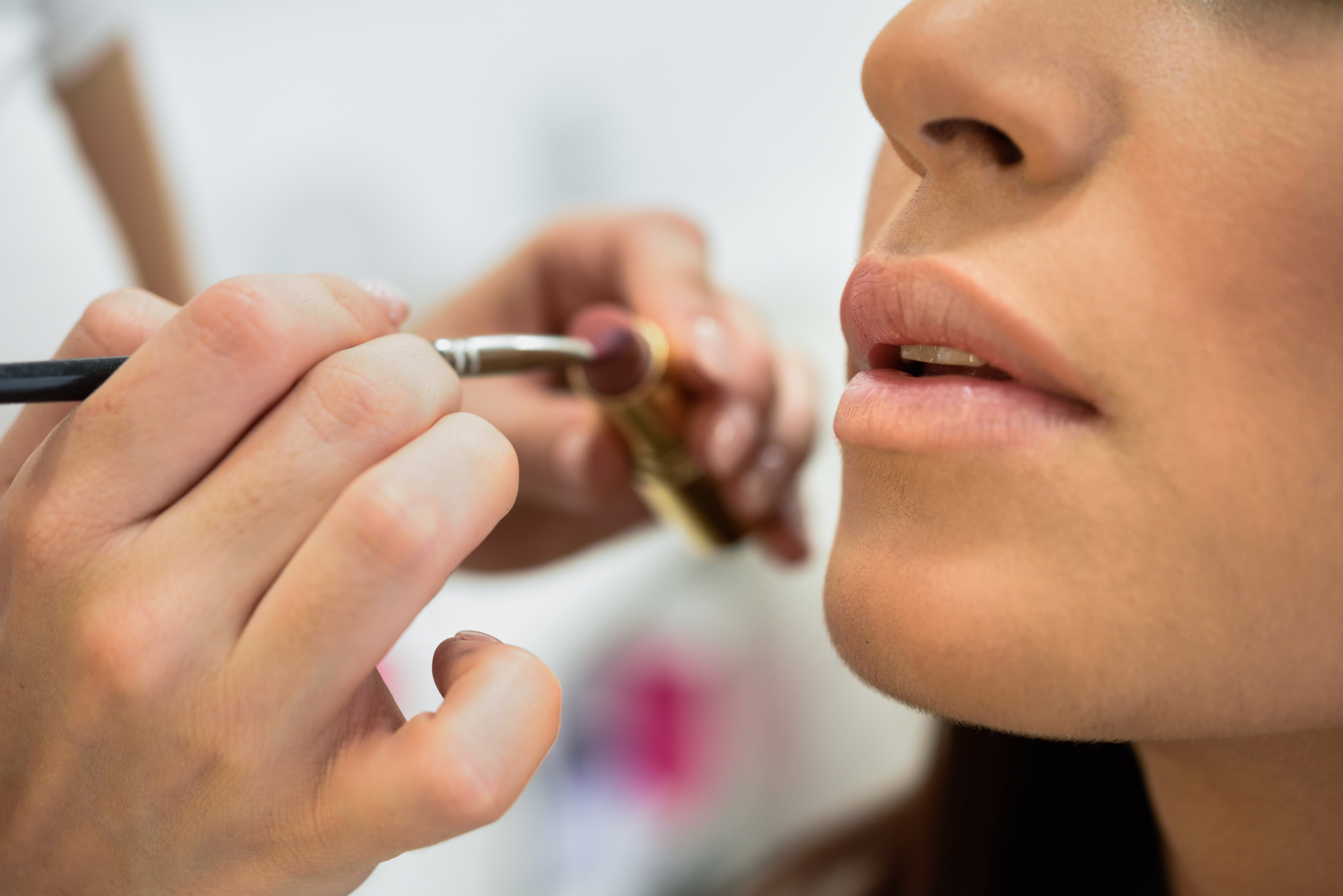
How to read a before and after photo like a pro
A few things to check before you book anywhere:
- Is the after healed? If there’s no timestamp or the caption doesn’t say “healed,” assume it’s day one.
- Same lighting, same angle? Warm ring light on the after and a fluorescent bathroom on the before is a sales trick, not a result.
- Is the mouth relaxed in both? A slight smile stretches the lip and fakes fullness.
- Any gloss? Gloss hides patchiness. Healed photos should be matte and bare.
- Do you see a range of skin tones and ages? An artist who only posts one type of client has only practiced on one type of client.
Searching “lip blushing near me” on Long Island
We’re at 183 New York Ave in Huntington Village, and a good share of our lip clients drive in from Northport, Smithtown, Kings Park, Commack, Melville, Dix Hills, and Syosset — usually 15 to 30 minutes, and worth it for work that lives on your face for a couple of years. Parking is free and the studio is walkable to the Village; directions and hours are on our contact page.
On cost: across Long Island, lip blushing typically runs in the mid-hundreds to around a thousand dollars for an initial session, and studios differ on whether the perfecting visit is included in that number. That’s a market range, not our price list, and a quote well below the range usually means an inexperienced artist, an old pigment line, or a touch-up billed separately later. For our current pricing and what’s bundled in, call (631) 458-7025 or book online for exact pricing.
One more thing worth knowing: lips are our most-requested service, but they’re rarely the only thing on the list. Plenty of clients pair a lip appointment with ombre powder brows or a keratin lash lift so the whole face is done in one stretch. We’ll sequence them properly at the consult so nothing heals on top of anything else.
Ready for your own before and after?
Come in for a consult, bring your inspiration photos, and we’ll map out shape, tone, and timeline before a single needle comes out. You’ll leave knowing exactly what your day one, week two, and week six will look like. Full service details are on the lip blushing page.
BOOK AT THE BROW CLINIC
or call (631) 458-7025
Lip blushing before and after: common questions
How long until I can take my “after” photo?
Wait at least four weeks, and ideally take the real one after your perfecting session at six to eight weeks. Anything shot before the ghosting stage clears is either too dark or too light to be an honest picture of your result.
Does lip blushing make your lips look bigger?
It doesn’t add volume, but it reads fuller in photos because it restores a defined border and brings color out to the edges. Most clients see the biggest visual difference in the top lip, where natural color tends to fade first.
How long do healed lip blushing results last?
Generally two to three years, with color softening gradually rather than disappearing all at once. Sun exposure, smoking, and a fast skin turnover shorten that window; a color refresh every 12–18 months keeps it looking freshly done.
Will the color heal too dark or too bright?
It shouldn’t. We choose your shade against your natural lip tone at the consult, knowing it will soften by roughly a third to a half as it heals. If you want a bolder look, we build to it across two sessions rather than overloading the lip in one — that’s how you avoid a result that fights your face.