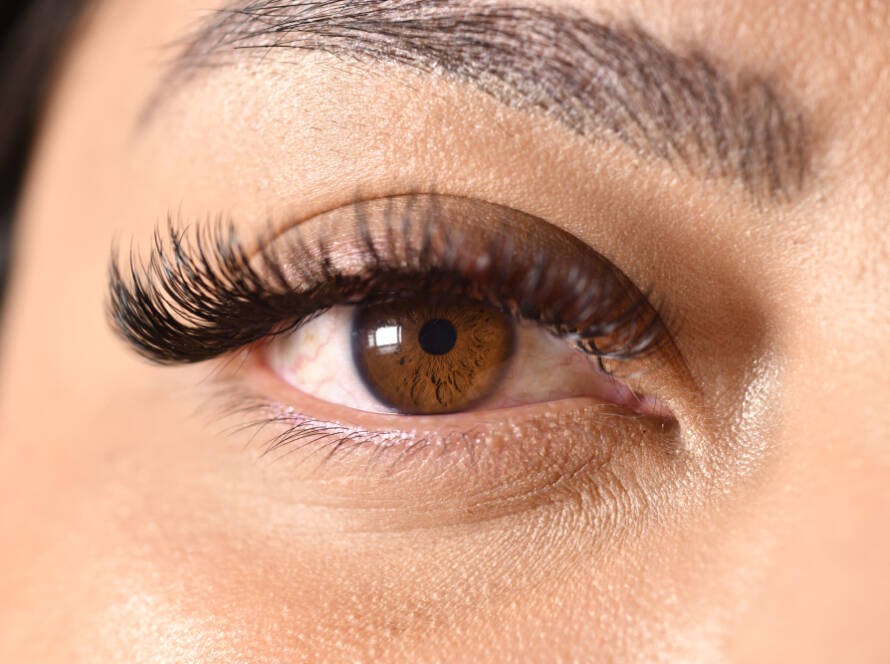


Yes, lash lifts are safe for most people when a trained, licensed technician does them with quality products and the right processing time. A lash lift doesn’t touch your lash follicles, doesn’t add any weight, and doesn’t glue anything onto your individual lashes the way extensions do. It reshapes the lashes you already have into a lifted curl that lasts about six to eight weeks.
So do lash lifts damage your lashes? Not when they’re done properly. The damage people worry about (dry, frizzy, brittle or broken lashes) nearly always comes from over-processing. That means solution left on too long, lifts booked too close together, or a rushed application. Below we explain what actually happens during a lift, where the real risks are, and how to keep your lashes healthy between appointments.
It’s one of the first questions we hear at our Huntington Village studio, from people driving in from Smithtown and Northport and from people who live a few blocks away. It’s a fair question. You’re putting a chemical treatment right next to your eyes, so you should know exactly what it does.
What Actually Happens During a Lash Lift
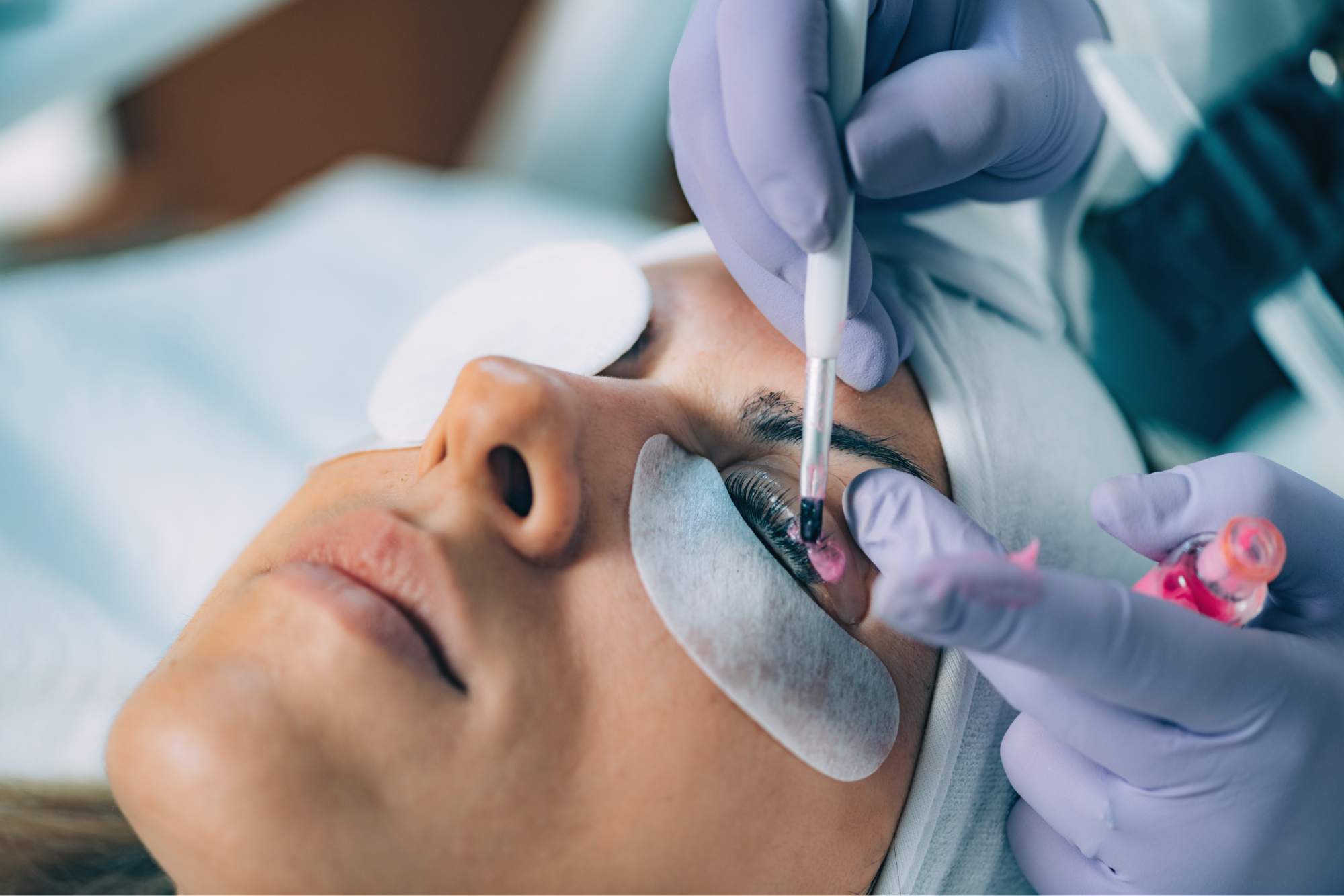
A lash lift works much like a perm for your hair, only gentler, with a much lower-strength formula and much shorter timing. Here’s the basic process:
- Cleanse: Lashes are cleaned of oil, makeup and residue so the products work evenly.
- Shield sizing: A soft silicone shield is chosen to match your eye shape and lash length, then set on the lid.
- Lift: Lashes are brushed up onto the shield and held in place. A lifting lotion relaxes the bonds inside the lash’s keratin structure so it can take a new shape.
- Set: A setting lotion re-forms those bonds in the lifted position.
- Tint and nourish (optional): Most clients add a tint for darker, more defined lashes, then a keratin conditioning treatment to finish.
The whole appointment takes about an hour, and your eyes stay closed the entire time. Plenty of clients fall asleep.
Do Lash Lifts Damage Your Lashes? Where Damage Really Comes From
When someone has a bad lash lift experience, it almost always traces back to one of these four things.
1. Over-processing
Lashes aren’t all the same. Fine, light lashes need less processing time than thick, coarse ones. If a tech uses one timer for everyone, fine lashes can come out dry, frizzy or overly curled. Timing should be adjusted to your lashes, not to a standard number on the bottle.
2. Lifting too often
Each lift is a chemical treatment. Lifting again before the last one has grown out means re-processing lashes that are already curled. Waiting at least six to eight weeks between lifts lets your natural lash cycle replace older lashes with fresh ones.
3. The wrong shield size
A shield that’s too small for your lash length gives you a crimped, bent-at-a-right-angle look instead of a soft curve. That isn’t harmful in itself, but it’s the most common reason people say a lift looked “fried.”
4. Skipping aftercare
Getting lashes wet, steaming them or rubbing your eyes in the first day or two can weaken the set and stress the lash. More on aftercare below.
One thing that isn’t damage: finding a few lashes on your pillow. Everyone sheds a few natural lashes every day. A lash lift doesn’t change that, and it doesn’t pull lashes from the follicle.
BOOK YOUR LASH LIFT
or call (631) 458-7025
Are Lash Lifts Safe for Your Eyes and Skin?
The lash itself isn’t the only thing to think about. The products sit very close to the eye, so a careful application matters.
- Stinging or watering: This happens if solution gets near the waterline. A skilled tech keeps the product on the lash, away from the root and the eye itself.
- Mild redness: Some people with sensitive skin get a little pinkness on the lid that fades within a few hours.
- Allergic reactions: These are uncommon. When they do happen, the tint is more often the cause than the lifting solution. If you’ve reacted to hair dye, lash tint or perm products before, ask for a patch test first, or skip the tint.
Who Should Wait or Skip a Lash Lift
A lash lift is a great fit for most people, but hold off if any of these apply:
- An active eye infection, stye or pink eye
- Recent eye surgery, including LASIK or cataract surgery (get your eye doctor’s OK first)
- A known allergy to lash tint, hair dye or perm solutions
- Undergoing chemotherapy, or lashes that are currently very thin or fragile
- Pregnancy. There’s no strong research either way, and hormones can make results unpredictable, so many clients choose to wait or check with their doctor first.
If you’re unsure about any of these, reach out before you book. It’s a quick conversation and it’s always better to ask.
Aftercare: How to Keep Your Lashes Healthy After a Lift
Good aftercare is what makes the difference between a lift that looks great for two months and one that fades early. For the first 24 to 48 hours:
- Keep lashes dry. No steam showers, saunas, hot yoga or swimming.
- Don’t rub your eyes, and try not to sleep face-down the first night.
- Skip mascara for the first day.
After that:
- Use a water-based mascara if you wear one. Waterproof formulas take harsh scrubbing to remove.
- Use an oil-free makeup remover around the eyes.
- Put the lash curler away. You won’t need it, and clamping lifted lashes adds stress.
- A good lash conditioning serum helps keep lashes soft and hydrated between lifts.
Lash Lift vs. Extensions: Which Is Easier on Your Natural Lashes?
If you’re choosing between the two, a lift is usually the gentler option over time. Extensions add weight to each natural lash and need fills every two to three weeks. Over the years, that weight and repeated adhesive work can stress lashes, especially if they’re applied too heavy. A lift adds no weight and no glue to your individual lashes, and it grows out naturally with no removal appointment.
That low-maintenance side is a big reason it’s so popular with clients from Commack, Melville and Dix Hills who want to wake up looking put-together without a fill schedule. You can read more about the service, what’s included and how the keratin treatment works on our lash lift Long Island page. Many clients also pair it with brow lamination, which uses a similar approach to set brows into a fuller, brushed-up shape.
How to Choose Who Does Your Lash Lift
The safety of a lash lift comes down to the person doing it, much more than the product. Before you book anywhere, ask:
- Are you licensed, and how much lash lift experience do you have?
- How do you decide processing time for my lashes?
- How do you choose the shield size?
- Can I see photos of your real results?
You can see our own work in the gallery. We’re on New York Ave in Huntington Village with free parking, an easy drive from most of the North Shore. If you’re local, our Huntington lash lift page has directions and details, and the full keratin lash lift and tint service is laid out there step by step.
Lash Lift Safety FAQ
How long does a lash lift last?
Usually six to eight weeks. The lift doesn’t wear off. It grows out as your natural lashes shed and new ones come in, so results fade gradually.
Can a lash lift make my lashes fall out?
A lash lift doesn’t affect the follicle, so it doesn’t cause lashes to fall out from the root. Over-processing can make lashes dry or prone to breakage, which is why timing and spacing between appointments matter.
How often can I safely get a lash lift?
Every six to eight weeks at most. Going sooner means re-processing lashes that are still curled from the last lift, and that’s where most breakage comes from.
Is a lash lift safe if I have sensitive eyes?
Often, yes. Tell your technician up front so they can be extra careful keeping products away from the waterline. If you’ve had reactions to tint or dye before, ask for a patch test or skip the tint.